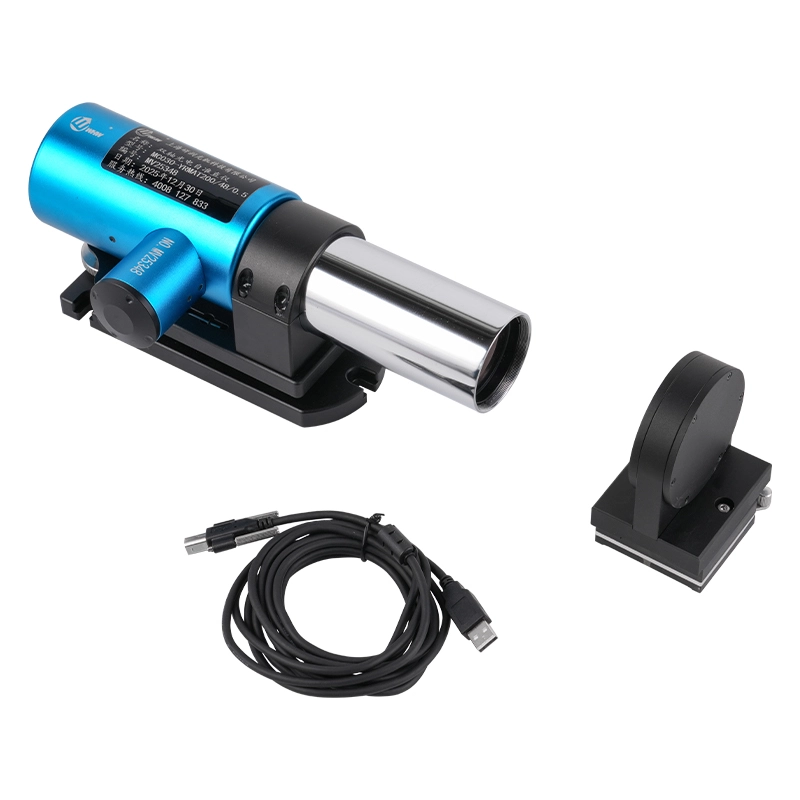
Why read both axes at once
Levelling is coupled: turning one foot changes pitch and roll together. A single-axis instrument sees only half the change and easily enters a loop of "fix one side, lose the other". Dual-axis reading shows the coupling live and cuts the number of adjustment rounds.
Place the mirror carrier on the machined base surface with a fixed orientation for the whole job so both axes share one datum.
Procedure: coarse then fine
Coarse-level with a shop level to within 0.2 mm/m first, then switch to the autocollimator. During fine adjustment watch both live axes, trim the feet pitch-first then roll, converging each direction within 10″.
Locking the nuts adds 2–5″ of spring-back, so re-read after locking. Teaching example: 6.2″/4.8″ before locking, 8.9″/7.1″ after — still within the 10″ requirement.
Verification: change under load
Re-measure after the robot body is lifted onto the base: stress redistribution shifts levelness by a few arc-seconds. The loaded values are the final ones for the acceptance sheet.
Keep screenshots of both the unloaded and loaded readings as annexes to the installation record.
Case workflow, animated
- Confirm the task and datum
- Lay out stations by span
- Acquire readings and convert
- Evaluate and verify
The animation follows the station layout and calculation order of this case. Values are teaching data.
Case data are teaching assumptions. Installation levelness follows the robot manufacturer manual; autocollimator readings are angles and conversion to mm/m must state the span.
Recommended instruments
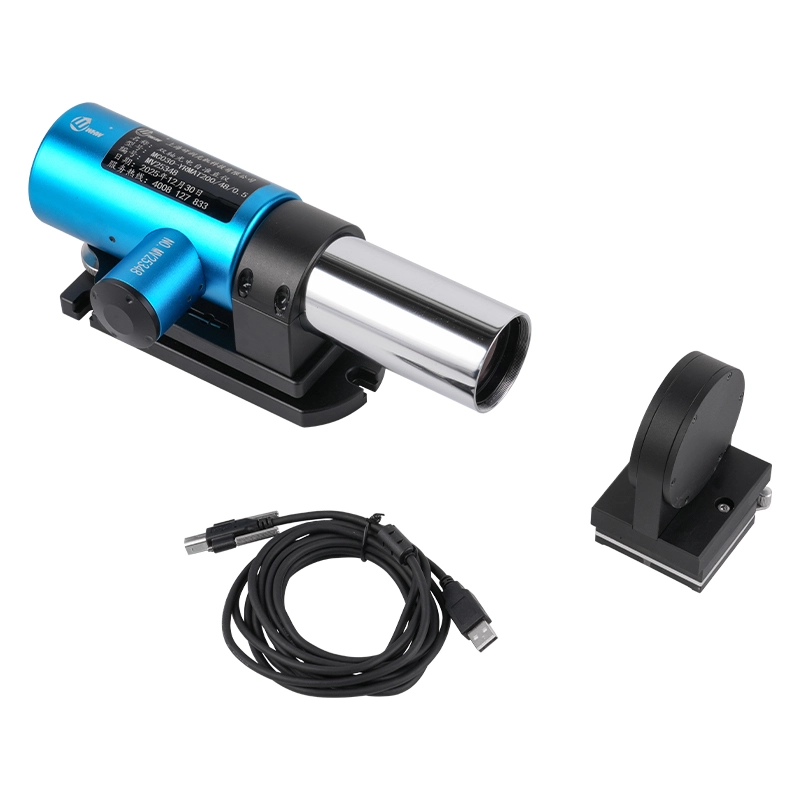
Zhongji high-speed electronic autocollimator accuracy 1″
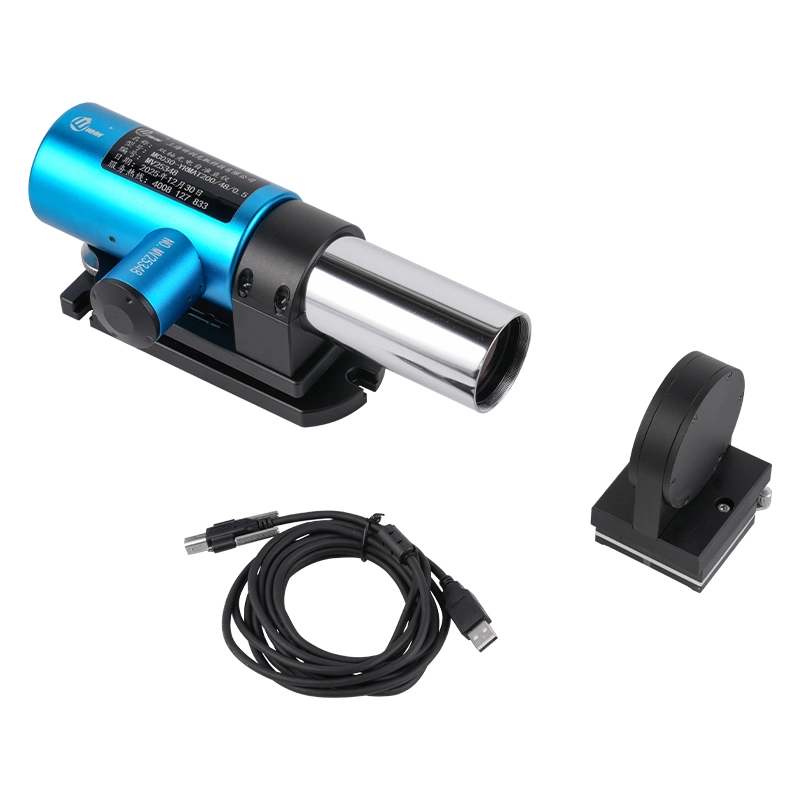
Zhongji high-speed electronic autocollimator accuracy 2″