Object8 m dual-drive gantry with one servo per side
Symptom12 μm at low speed, 45 μm at working speed
InstrumentDual-axis autocollimator + both-side encoders
CriterionSynchronisation ≤ 25 μm (contract)
Rule out geometry first
Static rail parallelism and beam tilt measured 0.008 mm/m, too small to explain 45 μm.
Encoder direction and resolution matched on both sides.
Then the dynamics
Synchronous logging showed one side lagging about 3 ms during acceleration and overshooting on deceleration.
Match velocity loops first, then tune feed-forward.
Re-test
After tuning: 8 μm low speed, 18 μm at working speed.
Case workflow, animated
1 / 4
- Confirm the task and datum
- Lay out stations by span
- Acquire readings and convert
- Evaluate and verify
The animation follows the station layout and calculation order of this case. Values are teaching data.
ConclusionWhen static geometry passes and dynamic synchronisation fails, check servo matching before touching the rails. (Teaching data)
Teaching example. Dual-drive tuning must be done by the maker or authorised personnel; back up parameters first.
Recommended instruments
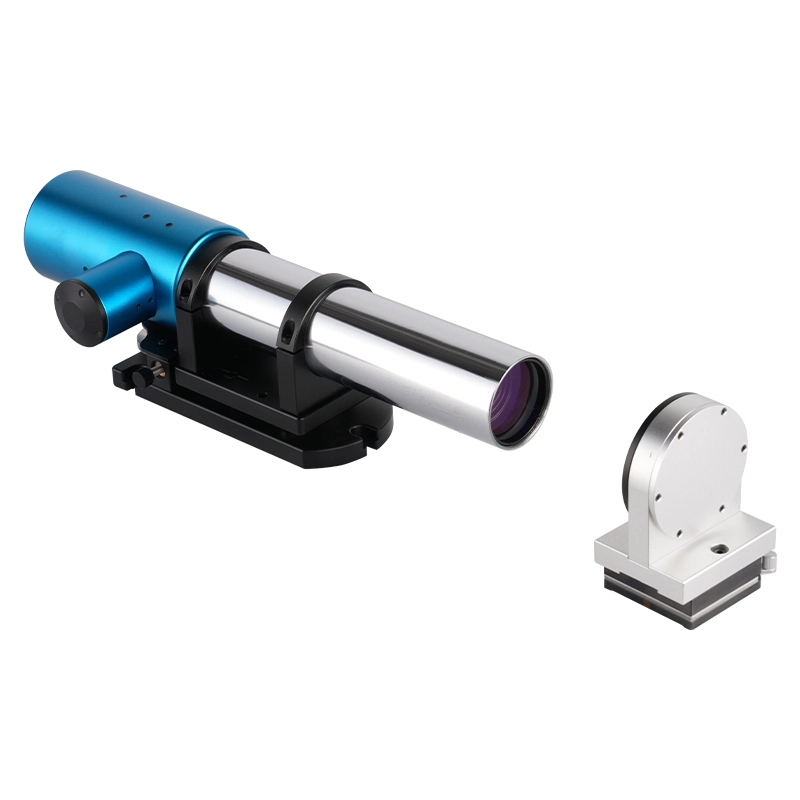
Dual-axis autocollimator, accuracy 0.1″, range 30 m
MC030-MAT300/48/0.1
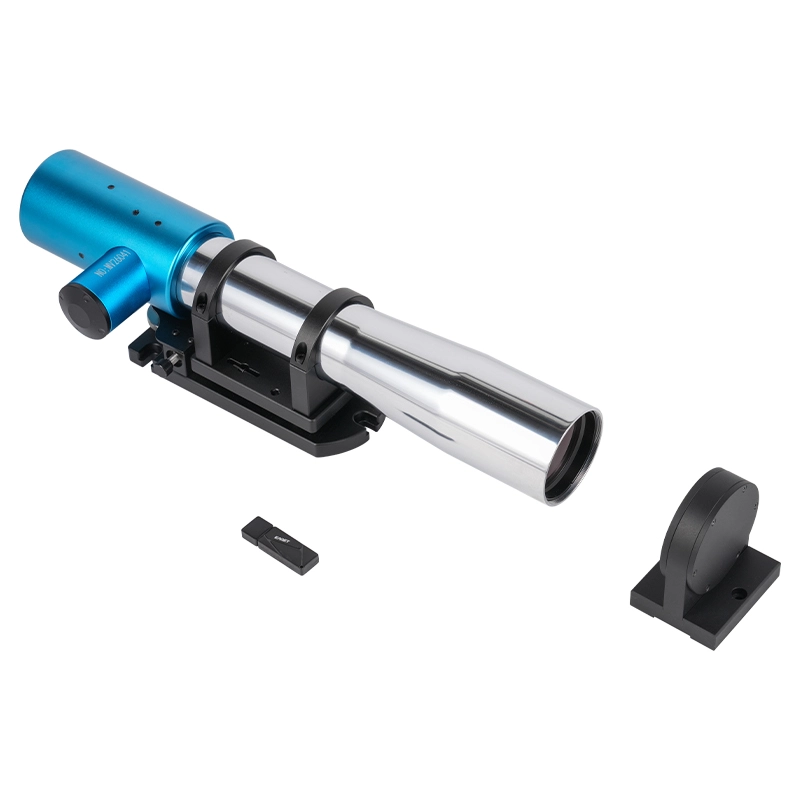
Dual-axis autocollimator, accuracy 1″, range 40 m
MC030-LD350/60/1
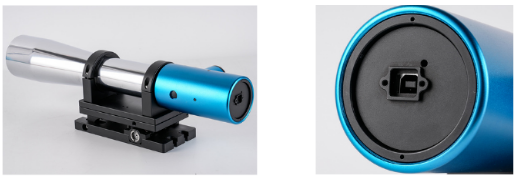
Dual-axis autocollimator, accuracy 1″, range 50 m
MC030-LD400/68/1